
Description
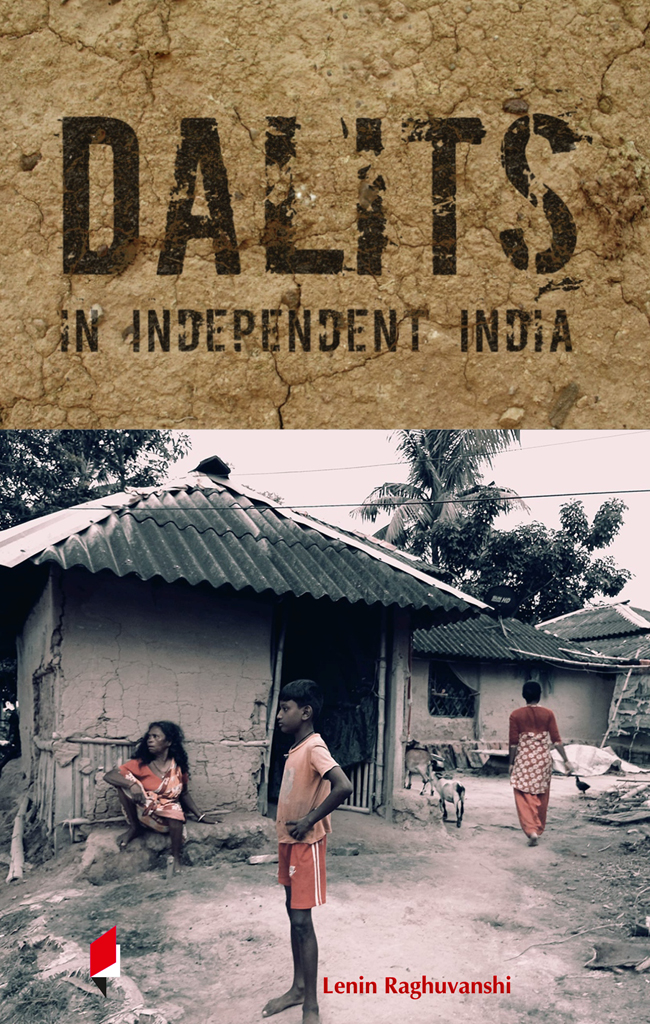
More than 75 years have elapsed since India, the world’s largest democracy, gained independence. However, the quest for justice remains elusive in a nation where the entrenched caste system continues to dictate the political, social, and economic destinies of over a billion citizens.
The influence of wealth, political manoeuvring, and coercive tactics frequently collude to obstruct justice for the disenfranchised, particularly the Dalits, who grapple with the dual burdens of poverty and illiteracy. Within this milieu, atrocities and extortion perpetrated against the Dalits, sham encounters, the reluctance to register complaints against the privileged, arbitrary arrests based on false charges, illegal detentions, and custodial deaths have become distressingly commonplace.
The absence of a robust modern social audit system often empowers law enforcement to impose a ‘police raj’, particularly in rural India. The compromised efficacy of the National Human Rights Commission and its state counterparts, limited by recommendatory authority, alongside a dysfunctional Legal Aid System, paints a bleak picture of the state of justice in the nation.
Lenin Raghuvanshi, a seasoned Dalit rights activist, offers a distinctive perspective, drawing extensively from case studies primarily sourced from Uttar Pradesh, a region marked by the highest incidence of crimes against Dalits. He chronicles how, with tacit support from the administration, Dalits face torture and humiliation at the hands of higher castes—ranging from being garlanded with shoes to having their faces blackened or being compelled to ride on donkeys. Alarming, however, is the fact that numerous instances of violence, fatalities, or custodial abuses against marginalised and deprived castes go undocumented.
In a comprehensive analysis, the author posits a critical question: Can the Neo-Dalit movement serve as a bulwark against the burgeoning tide of fascism in India?
Lenin Raghuvanshi, a distinguished Ayurvedic physician, has dedicated his professional life to advocating for the rights of bonded and child labourers, as well as other marginalised individuals in Varanasi and the eastern part of Uttar Pradesh, India. In 1996, alongside his wife Shruti, he established the People’s Vigilance Committee on Human Rights (PVCHR), a community-based organisation. The primary goal of PVCHR is to dismantle the closed, feudal hierarchies prevalent in conservative slums and villages by fostering local institutions and reinforcing them through an active human rights network with a prominent profile.
As an Ashoka Fellow, Lenin served as the President of the United Nations Youth Organization (UNYO), Uttar Pradesh Chapter. His impactful contributions were acknowledged with the Gwangju Human Rights Award in 2007. In 2009, in collaboration with the Rehabilitation and Research Centre for Torture Victims (RCT) in Denmark, Lenin pioneered Testimonial Models for torture survivors in India. The City Council of Weimar in Germany honoured Lenin Raghuvanshi with the International Human Rights Award in 2010. His commitment to human rights is further underscored by accolades such as the Special Mentions Prize of Human Rights from the French Republic (2018), the Public Peace Prize (2018), and the Karmaveer Maharatna Award (2019). Currently, Lenin holds the esteemed position of Honorary Visiting Senior Fellow at the Impact and Policy Research Institute (IMPRI) in New Delhi.